
The Myth of Rigged Games
One of the most pervasive myths surrounding casinos is the belief that games are rigged against players. Many individuals assume that the odds are manipulated in favor of the house to ensure consistent profits. In reality, casinos operate under strict regulations and oversight. The games are designed with a built-in house edge, which ensures profitability over time, but this does not equate to malevolent manipulation. Players seeking a fair experience often look for options like visa fast withdrawal casino to enjoy gaming without concerns. The randomness of games like slot machines is protected by random number generators (RNGs), which are regularly tested for fairness.
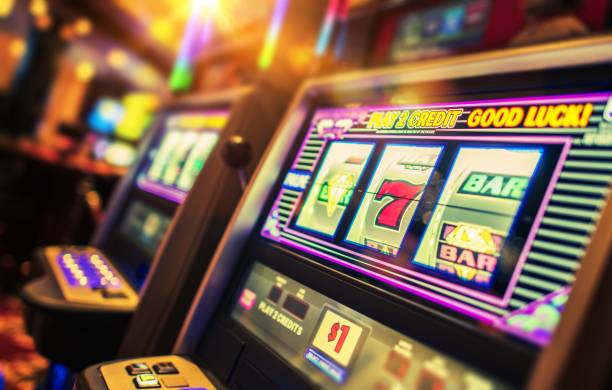
Moreover, prominent gaming authorities and regulatory bodies implement rigorous testing and certification processes to ensure that games are fair. For instance, independent organizations evaluate the RNGs used in electronic games and other technology, ensuring that outcomes are unpredictable and not favorable to the house. This level of scrutiny helps dispel the myth that casinos are rigged, highlighting a commitment to fair play. Players should understand that while casinos do have the advantage, it is mathematically calculated and not based on dubious practices.
Another key aspect of understanding the integrity of casino games is recognizing the role of odds. Each game has odds that are openly published and can be calculated. For instance, traditional games like blackjack and roulette have well-defined odds that players can learn to minimize the house edge. A player’s decisions can impact the outcome significantly, further emphasizing that luck, skill, and strategy all play vital roles in game outcomes, thereby reinforcing that the games are not simply rigged against the player.
The Role of House Edge
The house edge is a statistical advantage that casinos hold over players, but it is often misinterpreted as a sign of rigging. The house edge varies from game to game; for example, blackjack may have a lower house edge compared to slots. Understanding the house edge helps players make informed choices about which games to play. This edge does not imply that casinos are cheating; rather, it reflects a carefully calculated business model that ensures sustainability and profitability for the venue.
It’s important to note that the house edge is not a guarantee of victory or defeat in individual games. While over time, the house will win more often than not due to this mathematical advantage, players can still experience wins. Many players enjoy the thrill of the game and the excitement of potentially winning, and it’s the house edge that allows casinos to offer a consistent gambling experience. This aspect contributes to the overall entertainment value of gaming and the economic viability of the casino industry.
In addition, savvy players can employ strategies to lessen the impact of the house edge. For instance, mastering basic strategies in blackjack can lower the house edge significantly. This dynamic nature of chance and skill contradicts the notion that casinos are rigged; rather, it showcases a fair competition where informed choices can lead to favorable outcomes. Understanding the house edge empowers players to engage responsibly and enjoyably with gaming.
The Illusion of Winning Streaks
Another prevalent myth in the casino world is the belief in winning streaks, often leading to the assumption that casinos are rigging outcomes to create illusions of luck. Players may think that by observing trends—such as a series of wins or losses—they can predict future outcomes. However, in games like roulette or slots, each spin or card dealt is independent of previous results. This randomness means that patterns do not exist, thus dispelling the idea of a rigged system designed to manipulate wins and losses.
Confirmation bias often leads players to fall for the illusion of streaks. When they observe a series of wins, they may attribute it to luck or the belief that they have a special connection with a game. Conversely, after a bad run, players might feel that the game is rigged against them. Understanding that outcomes are independent and random helps players maintain a healthier perspective about their gaming experiences. It’s essential for players to recognize that gambling is largely about chance rather than a systematic approach by casinos to mislead them.
Educational resources and tutorials can help players grasp the concept of randomness and its implications in gaming. By demystifying these outcomes, players can develop more realistic expectations and enhance their overall gaming experience. For instance, they learn that just as easily as they can win, they can also lose, and this balance is a natural part of any gambling experience—independent of any rigging or deceit on the casino’s part.
The Impact of Technology on Fair Play
The advent of technology in the gambling industry has revolutionized how games are played. Online casinos, mobile gaming, and sophisticated algorithms designed for fairness are now commonplace. With the implementation of RNGs and other technological safeguards, players can engage with games with a higher degree of trust in their fairness. The technology ensures that every outcome is random and cannot be influenced by external factors, alleviating concerns regarding rigged games.
Moreover, regulatory bodies are increasingly becoming tech-savvy to keep pace with innovations in gaming. They implement stringent guidelines and employ advanced technology to monitor games for compliance with fairness standards. This proactive approach maintains integrity across both physical and online casinos, ensuring that players are protected from any possibility of manipulation. Transparency in operations builds trust among players, which is crucial for the long-term success of gaming establishments.
Online casinos are also subject to regular audits and scrutiny, reinforcing the credibility of the industry. Players should look for certifications and licenses displayed on casino platforms as a sign of legitimacy. This layer of security, combined with technology, assures players that their gaming experience is fair and regulated. As technology continues to evolve, the gambling landscape will only improve in terms of security and fairness, further debunking myths of rigging in casinos.
Understanding Responsible Gaming
Understanding the myths surrounding rigged casinos is part of promoting responsible gaming. Players should approach gambling as a form of entertainment rather than a surefire way to make profits. When people understand the odds and the nature of gaming, they are better equipped to make responsible choices about their gambling behavior. This awareness can reduce misunderstandings and foster a healthier relationship with gambling as a leisure activity.
Additionally, recognizing the mechanics of gambling helps curb excessive gaming habits. Players who understand that outcomes are random and that there is no guarantee of winning can limit their spending and time at the gaming table or machine. Responsible gaming practices encourage players to set budgets and time limits, minimizing the risks of potential gambling-related issues. Encouraging these practices can help combat the negative stereotypes surrounding gambling.
Ultimately, the responsibility lies with each individual to engage with gambling in a way that maintains their wellbeing. Whether playing at physical casinos or online platforms, being informed allows players to appreciate the thrill of the game without falling prey to myths and misconceptions. Casinos, while operating with a house edge, strive to offer a fun and fair environment for responsible players, illuminating a stark contrast to the myths of rigging.
