
The Complete Guide to Home Organization Systems That Actually Keep Your House Tidy
Have you ever felt overwhelmed by the clutter in your home, unsure where to begin? Home organization systems are a practical set of methods and tools that assign a designated home for every item, creating a logical flow for daily life. By grouping similar objects and establishing consistent routines, these systems make tidying up faster and maintaining order effortless. The core benefit is a reduction in daily stress, allowing you to find what you need instantly and reclaim your time and peace of mind through functional simplicity.
Deciding If a Structured Organization Method Is Right for You
Choosing a structured home organization system is right for you if you value knowing exactly where every item belongs and thrive on consistency. A rigid method like container labeling or a color-coded pantry is ideal for reducing decision fatigue, as it outsources the mental effort of daily tidying. However, if your household resists strict categories or your routines shift weekly, a looser system may better prevent resentment. A structured approach shines when your primary goal is time savings over emotional flexibility. Ask yourself if you prefer executing a fixed plan over improvising storage solutions; if yes, commit to a labeled, zoned layout for maximum efficiency.
Signs Your Current Storage Approach Needs a System Overhaul
You find yourself constantly buying duplicate items because you cannot locate what you already own. A clear sign you need a home organization system overhaul is when your current method forces you to empty every drawer to find a single tool. If bin labels are forgotten or your “piles” have become permanent fixtures, your system is failing you. Another red flag is when putting things away actually takes longer than the task itself. When your storage actively hinders daily function rather than supporting it, a fundamental structural change is overdue.
The Core Difference Between Simple Tidying and a Real Organization Framework

Simple tidying is a surface-level reset—moving items from sight to create a temporary visual calm. A real organization framework, by contrast, is a functional system built on sustainable retrieval logic, where every category has a designated home that aligns with how you actually use space. Tidying hides clutter; organizing prevents it from reforming. The framework requires upfront analysis of your habits, zones, and workflow, while tidying only addresses the symptom.
Q: What is the professional services core difference between simple tidying and a real organization framework?
A: Tidying rearranges chaos without changing behavior; a real framework modifies your physical layout and storage rules to make maintaining order automatic.
Understanding the Main Types of Organizational Frameworks
Understanding the main types of organizational frameworks is the foundation of an effective home organization system. The categorical framework, where you group items by type (e.g., all baking tools together), eliminates decision fatigue and speeds up retrieval. The spatial framework, which assigns a dedicated home for categories based on where tasks occur, ensures items are used and returned efficiently. The vertical framework, maximizing space up walls and inside cabinets, transforms limited square footage into modular, high-capacity storage. Critically, the most resilient systems hybridize these frameworks, layering spatial logic over vertical efficiency for seamless daily function. Choose to master these three structures—categorical, spatial, and vertical—and you will not just tidy; you will build a ruthlessly functional home that works for you, not against you. This approach is the only path to lasting order.
Zone-Based Layouts: Grouping Items by How You Actually Use Them
Zone-based layouts reorganize spaces by grouping items according to their real-world usage patterns rather than by type. In a kitchen, you place coffee cups, filters, and mugs together in a “morning brew zone,” not with other glassware. This method minimizes movement by storing gear where you actually perform the associated task. A home office might feature a “billing zone” combining stamps, envelopes, and a checkbook. The system directly reduces retrieval inefficiency by aligning storage with your daily workflow.

- Define zones around core activities, like a “pet care zone” near the back door for leashes and food.
- Store only task-specific items within each zone to prevent clutter drift.
- Adjust zone boundaries seasonally as usage habits shift.
Modular and Expandable Racks That Adapt to Changing Storage Needs
Modular and expandable racks form the backbone of a truly adaptive home organization system, directly addressing fluctuating storage needs. Unlike fixed shelving, these frameworks use interlocking components that can be reconfigured in minutes. To adapt to changing storage, follow this clear sequence: first, assess your current items and purchase only the base units needed; second, add vertical extenders as you acquire more belongings; third, reposition shelves or add attachments like hooks for varied item sizes. This approach eliminates the waste of replacing entire systems as your needs evolve. By investing in a modular rack, you future-proof your space, ensuring every square inch remains intentionally usable.
Vertical Storage Solutions That Maximize Wall and Door Space
Within organizational frameworks, maximizing vertical storage converts unused wall and door surfaces into dedicated zones. Over-the-door shoe racks or spice holders capitalize on vertical air space without consuming floor area. Freestanding shelving units anchored to studs allocate layers for categorized bins, while pegboards with hooks create adjustable tool or accessory displays. Magnetic strips on walls or inside cabinet doors secure metal utensils or grooming tools. This systematic approach elevates planar surfaces into three-dimensional storage, reducing clutter by distributing weight upward. Every square inch of door panel or wall space becomes a structural asset for compartmentalized, accessible storage within the home.
Key Features to Look For in a Durable Organizing Setup
A durable home organization system hinges on a few core structural features. Modularity and adjustability are paramount, allowing the setup to evolve with changing storage needs without total replacement. Look for units with high weight capacity and robust materials like coated steel or solid wood, not particleboard. Key connections—such as interlocking bins or adjustable shelving brackets—must resist loosening over time. Avoid systems reliant entirely on adhesives; instead, prioritize mechanical fasteners or tension-fit designs.
The most durable organizing setups sacrifice aesthetic frills for a simple, locked-together chassis that can be reconfigured rather than replaced.
Finally, ensure all moving parts, like drawer slides or soft-close hinges, are rated for frequent daily use to prevent premature failure.
Material Choices That Withstand Daily Wear and Cleaning Routines
For enduring home organization systems, prioritize materials inherently resistant to moisture and abrasion. Solid bamboo or coated metal outperform raw particleboard, which warps and cracks under repeated wiping. BPA-free polypropylene bins tolerate disinfectant sprays without degrading, while tempered glass inserts prevent scratching in drawer dividers. Avoid unfinished wood or drywall-retaining units; instead, select laminated surfaces or powder-coated steel. A practical sequence for evaluation:
- Test a sample’s surface with a damp cloth for immediate water bead resistance.
- Drag a coin across hidden edges to check for coating adhesion.
- Verify that all junctions are sealed, not merely glued, to prevent microbial seepage during weekly cleans.
Customizable Dividers, Bins, and Labels for Precise Categorization
Within a durable home organization system, customizable dividers, bins, and labels for precise categorization allow you to fractionate storage zones down to the specific item level. Dividers with adjustable pegs or sliding panels let you lock in exact widths for tool sets or pantry cans, preventing shift. Nesting bins of variable depths isolate small hardware from large linens, while peel-and-stick or slide-in labels permit real-time reclassification. The sequence is:
- Measure the primary drawer or shelf width,
- Select dividers that lock into place without adhesive,
- Add bins that fit the newly divided cells,
- Apply removable labels to each bin for instant identification.
This triad of adjustment, containment, and marking transforms a chaotic box into a surgical grid where every object has a fixed, traceable home.
Load Capacity and Weight Distribution for Heavy or Oversized Belongings
When evaluating a system for heavy or oversized belongings, reinforced load capacity is non-negotiable, typically requiring solid shelving rated for 75–150 pounds per linear foot. Weight must be distributed evenly across the base to prevent warping or collapse; place denser items like toolboxes or bulk pantry goods on lower, structural tiers. Achieving this balance often means using adjustable brackets to shift loads toward support posts rather than spanning unsupported gaps. Avoid overloading cantilevered arms, as torque stresses the frame. For tall items like ladders, secure them vertically against a weight-bearing wall to avoid unbalanced lateral pressure. This deliberate arrangement ensures the entire unit remains stable under sustained heavy usage.
How to Implement Your System Step by Step
Start by clearing a single drawer or shelf completely, laying every item on the counter where you can see it. Hold each object and ask yourself: Does this belong here, or does it belong somewhere else? The answer is your step one. Group the keepers by function—cooking utensils with other stirring tools, office supplies with staplers and pens. Take each group and assign it a dedicated zone inside that drawer using simple dividers or small bins. For sentimental clutter, snap a photo before letting it go; the memory stays without the physical weight. Repeat this exact process for the next drawer, then the cabinet above it. You are not organizing your home—you are walking through it, one decision at a time, until every inch has a clear, logical home.
Conducting a Complete Purge Before Buying Any Storage Components
Before purchasing any bins, shelves, or drawer dividers, you must first conduct a complete purge of every item within the target zone. Removing everything and sorting into keep, donate, and discard piles reveals your true inventory. Effective space assessment depends on this reduction, as storage components sized for current clutter will fail. Follow this sequence:
- Empty all contents onto a clean surface.
- Apply a strict one-year rule for unused items.
- Categorize and remove everything not kept.
Only after physical removal can you accurately measure residual volume. This step ensures you buy containers that fit your actual belongings, not your old habits.
Measuring Your Closets, Shelves, and Drawers for a Perfect Fit
Begin by using a metal tape measure to record the exact width, depth, and height of each closet, shelf, and drawer interior. Note any obstructions like rods, hinges, or light fixtures, as these dictate usable space. For drawers, measure the internal box dimensions, not the face, to ensure custom-fit drawer dividers align perfectly. Apply these specific numbers to your storage plan: bins require a depth clearance of at least ¼ inch, while sliding organizers need full travel space. Accurate dimensions eliminate guesswork, allowing you to select modular inserts that lock into place without gaps or overcrowding, directly supporting your chosen organizational system’s footprint.
Setting Up Maintenance Routines That Keep the Structure Working Long-Term
Once your home organization system is installed, embedding long-term maintenance routines prevents gradual clutter creep. Schedule a daily 5-minute reset to return items to their assigned zones, preventing accumulation on counters. Assign a weekly 15-minute sweep for high-traffic areas, checking that labels remain intact and storage limits are respected. Each month, perform a deeper audit: remove any items that have migrated outside their category, and reassess whether current containers still match your household’s usage volume. This cyclical review reinforces the original logic, ensuring the structure adapts without collapsing.
Long-term maintenance routines rely on daily resets, weekly sweeps, and monthly audits to preserve the system’s integrity against daily use.
Common Mistakes People Make When First Adopting These Systems

When people first adopt home organization systems, they often buy all the matching bins and baskets immediately, only to discover their oddly-shaped holiday decorations don’t fit. Another common mistake is labeling shelves before actually sorting belongings, which forces you to shove items into mismatched zones because you’ve already committed to a rigid category. You might also purge everything you *think* you don’t use, then realize you tossed the backup charger you needed three days later. The most overlooked error is ignoring daily habits—a system looks flawless on a tidy Sunday, but fails by Wednesday because it doesn’t match how you actually drop your keys. Real success comes from letting the system bend around your unique chaos, not the other way around.
Buying Containers Before Knowing Exactly What Needs to Be Stored
One frequent misstep is purchasing bins, baskets, or jars before auditing your belongings. This often results in containers that are either too small for bulky items or too large for neatly stacked smaller ones, wasting valuable shelf space. Instead, measure your storage needs first by grouping similar belongings and noting their dimensions. Only then should you shop for containers that precisely fit those designated zones. Buying first forces you to squeeze items into ill-fitting homes, defeating the system’s purpose and creating visual clutter.
| Aspect | Buying Before Knowing | Measuring First |
| Space usage | Often wasted or crowded | Maximized and tidy |
| Fit for items | Frequently wrong size | Custom to contents |
| Long-term cost | Re-purchasing needed | One-time, correct buy |
Overcrowding a Single Zone Instead of Spreading Categories Across Rooms
A common trap is overcrowding a single zone instead of spreading categories across rooms. You might shove all your craft supplies into the living room just because it’s closest, ignoring the empty hall closet. This creates a cramped, chaotic hub that’s hard to maintain, while other areas stay underused. Instead, let the function of each room guide you—store yarn near where you knit, and keep gift wrap in the office. Spreading items to their logical homes prevents bottlenecks and makes your whole house work smarter, not just one stressed corner.
Skipping the Label Step and Forgetting Where Items Belong After a Week
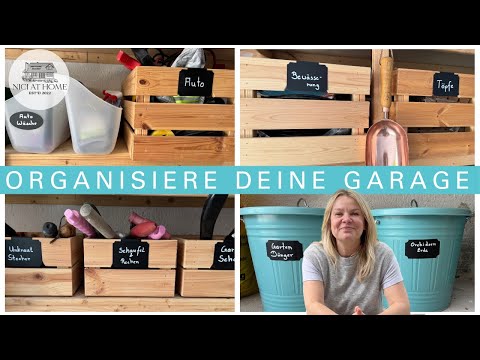
Skipping the label step turns your newly organized system into a memory game you will lose. Within a week, the brain defaults to old habits, and you will find yourself opening every bin to locate a single charger. This frustration directly leads to abandoning the system entirely. Forgetting where items belong creates a cycle of disarray, as items get shoved into the nearest empty spot. Labels act as a permanent, visual anchor that removes guesswork, preventing the slow erosion of your hard work. Without them, the system collapses.
- A labeled home guarantees anyone can return an item correctly, even in a hurry.
- Without labels, “temporary” placement becomes permanent clutter within days.
- Labels bypass your memory, making the system foolproof for future you.
- Mental shelf-life for unlabeled zones is roughly one week before chaos resumes.